The Future Of Self-Driving Cars: How AI Makes Decisions For Safer Roads
Author:Mike Fakunle
Released:October 21, 2025
Self-driving cars are becoming a major part of modern travel, and many people want to know how these cars make choices on the road. The idea of AI-driven systems can feel confusing, but how they work is easier to understand than most expect.
The growing interest in autonomous vehicles comes from the hope for safer roads, fewer accidents, and smoother travel. Many drivers are curious about how these systems think, react, and solve road problems in real time, especially as vehicle automation becomes more common.
Understanding Why AI Decision-Making Matters In Self-Driving Cars
AI decision-making is the core of how self-driving cars operate. These systems must read the road, study movement, and act faster than humans to avoid danger. Without strong decision models, the promise of safer autonomous vehicles would not be possible.
Core Problems Self-Driving Technology Solves
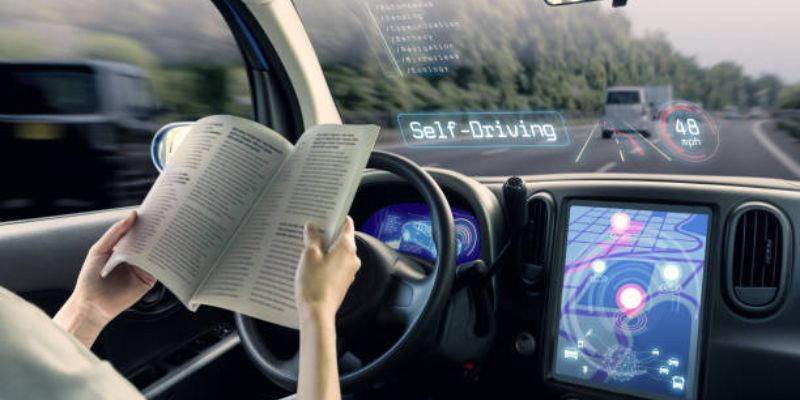
Self-driving cars aim to reduce human error, which remains the main cause of accidents. They also address issues such as slow reaction time, poor night vision, stress, and distraction. Vehicle automation helps create steady movement, better lane control, and fewer sudden stops.
How AI Sees the Road: The Technologies Behind Decision-Making
AI driving systems use different tools to track what is happening around the car. These tools help create a clear picture of roads, signs, and movements. This picture is the basis of every decision the car makes.
Key Sensors Used In Self-Driving Cars
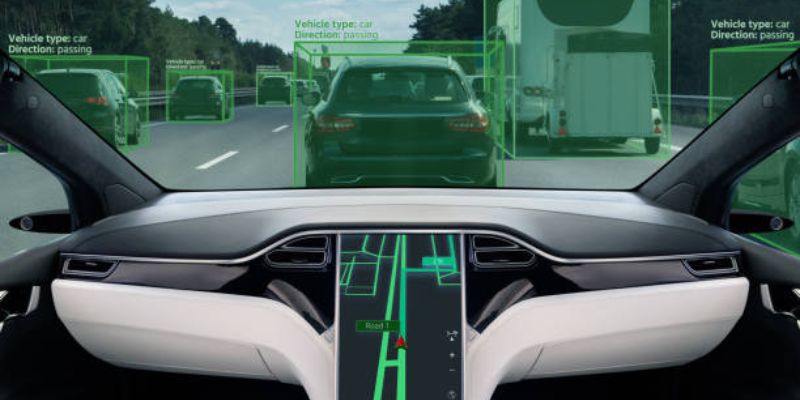
Self-driving cars use cameras to see road shapes, signs, and traffic lights. Radar helps measure the distance to nearby cars and objects. LiDAR scans the area with light beams to build a 3D view of the road. Ultrasonic sensors support parking and close-range actions. These signals are fused to improve accuracy.
How AI Turns Raw Data Into Awareness
AI uses pattern tools to spot cars, bikes, people, and animals. It also finds road edges, lane lines, and turning points. When these details are clear, autonomous vehicles can plan safe moves and adjust speed. This is what makes road-safety technology more reliable.
Real-Time Environment Mapping
Self-driving cars use mapping tools that track their position and build a live map of the road. The method, known as SLAM, helps the system stay aware even on new roads. This is similar to how mapping platforms on phones locate signals, such as how Apple devices manage location services.
The AI Brain: How Self-Driving Cars Make Decisions
AI-driven systems follow a step-by-step process to decide what to do next. This process repeats many times every second to stay ahead of danger.
The Three Layers Of AI Driving Logic
The perception layer reads the world. The prediction layer studies how nearby objects may move. The planning layer selects safe actions. These layers work together to help vehicle automation move smoothly and stay alert.
How AI Predicts Behavior
AI checks how fast other cars move, how people walk, and how bikes turn. It studies these patterns to guess what might happen next. This gives autonomous vehicles enough time to slow down or change lanes before a problem appears.
How AI Chooses The Best Action
AI checks many options at once. These include turning the wheel, slowing down, or taking a safer path. It picks the choice with the least risk. This careful method is often shaped by global transport studies, such as models also explored by the World Economic Forum.
Safety Systems and Ethical Decision Models In AI Cars
Safety remains the biggest reason many people trust or fear self-driving cars. Strong safety tools help reduce risk and make AI driving systems more reliable.
How AI Responds To Emergencies
When danger appears, AI can apply the brakes, hold the lane, or move away from the threat. It follows rules built to avoid crashes. Redundant systems then check the response to reduce mistakes.
Ethical Decision Challenges
Some cases are complex, such as sudden pedestrian crossings or unclear road lines. AI tries to protect both passengers and people outside the car. These rules are shaped through long training and support from road safety technology.
Training AI Models For Safer Outcomes
AI models learn from millions of road scenes. They train in virtual worlds and real-world test drives. Many safety rules follow traffic studies supported by groups like the National Highway Traffic Safety Administration, which helps shape safer travel models.
Current Limitations Of AI Driving Systems
Even with strong tools, self-driving cars still face challenges that slow down full adoption.
Weaknesses In Perception
Heavy rain, fog, or snow can confuse sensors. Glare from sunlight or weak street lighting also reduces visibility. These limits show why autonomous vehicles still need human support in some places.
Human Behavior AI Struggles With
Human drivers may break rules, make sudden stops, or behave in unsafe ways. AI tries to predict this, but sudden moves are still hard to manage.
Infrastructure Gaps
Some roads lack clear lines, strong lighting, or digital support. These gaps reduce the effectiveness of vehicle automation tools.
What The Future Holds For AI-Driven Cars
The future of self-driving cars will bring better tools, smarter decisions, and stronger safety.
Upgrades In Sensor Technology
Improved LiDAR and advanced radar images will help systems see farther and react faster. These tools reduce blind spots and give AI clearer views.
Smarter Decision Models
AI models will learn from shared global driving data, helping them spot patterns faster. New chips will process decisions more quickly, making road-safety technology more effective.
Cities Built For Autonomous Vehicles
Future cities may include smart lights, connected crossings, and digital road signs. These systems help AI-driven systems predict events with greater accuracy.
How AI Decision-Making Will Change Daily Life
The rise of autonomous vehicles will touch daily travel in many ways.
Safer Commutes
Stronger sensors and better planning will help reduce accidents. Roads may become calmer with fewer sudden stops.
New Transportation Services
Self-driving taxis and delivery cars may become common. These systems could enable faster, cleaner transport.
Accessibility Benefits
People with mobility challenges may find it easier to travel. Vehicle automation enables steady, driverless movement.
Why The Future of Self-Driving Cars Depends On Smarter AI Decisions
The growth of self-driving cars depends on how well AI can study the road and choose safe actions. Strong decision models will support better travel, safer streets, and a world where autonomous vehicles operate with lower risk. As road-safety technology advances, these cars will continue to improve and become trusted parts of daily life.
Sources
Don't Miss

This Home Robot Just Mastered Stairs: Is Nowhere Safe From Bots?

AI Ethics: Should We Be Worried About AI Decision-Making?

How AI Customer Service Transforms E-commerce: Complete Guide

AI Vs Traditional Software: What’s The Real Difference People Should Know?

AI-Powered Health Trackers: 7 Ways They Interpret Your Data and Explain Your Body